About Our Mission
We believe that critical thinking isn't an innate talent, but a learnable skill that becomes more essential with each passing year.
The project began not with grand ambitions, but with a simple observation. People who encountered misinformation didn't lack intelligence or education. They lacked systematic approaches for evaluating what they encountered. The problem wasn't cognitive capacity, but methodological gaps.
Traditional education teaches us to consume information, but rarely how to evaluate it. We learn reading comprehension, but not source verification. We study persuasive writing, but not manipulation detection. These gaps become vulnerabilities in an information-saturated world.
How We Approach Training
Our methodology draws from multiple disciplines. Academic research in cognitive psychology informs how we teach pattern recognition. Journalism verification standards provide practical frameworks. Communication studies help us understand how misinformation spreads and why people share it.
Rather than positioning ourselves as arbiters of truth, we teach participants to become their own fact-checkers. The goal isn't dependence on experts, but developing independent evaluation capabilities. We provide tools, not verdicts.
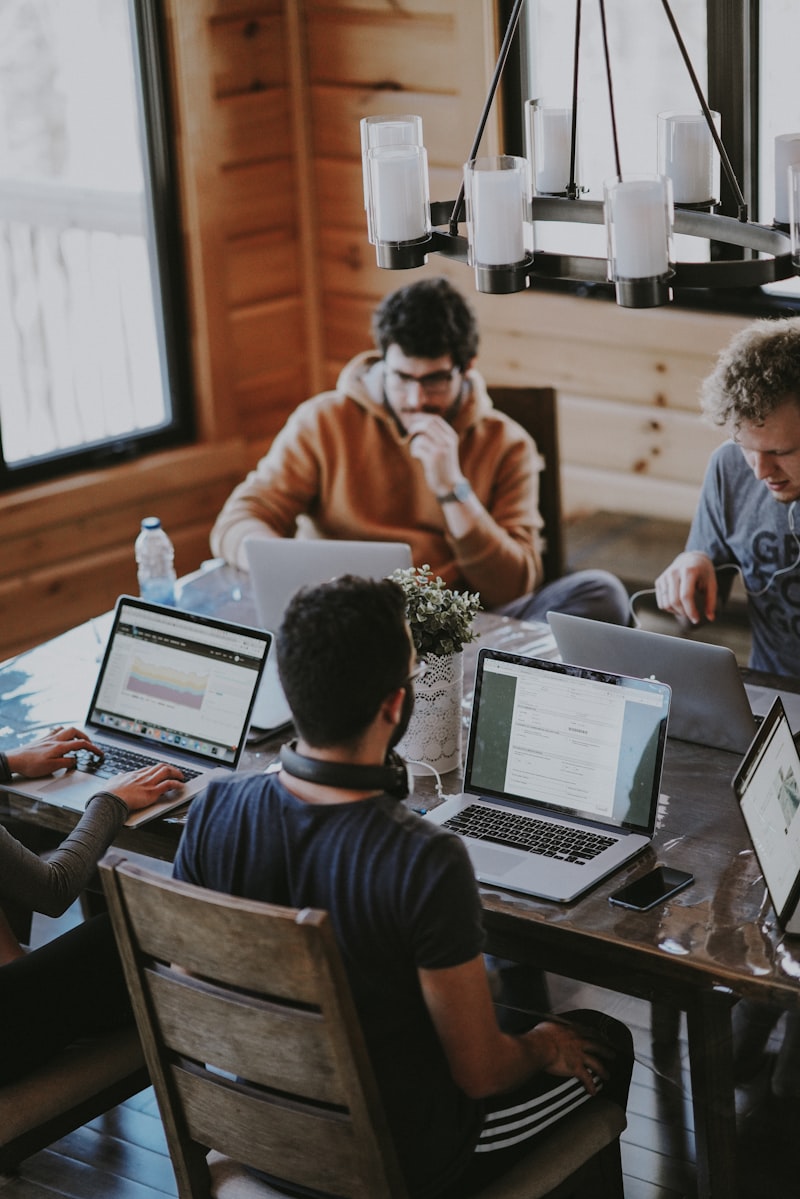
Each programme incorporates active learning. Participants work through real examples, not hypothetical scenarios. They practice verification techniques, not just hear about them. The emphasis remains on applicable skills rather than theoretical knowledge.
What Drives Our Work
Misinformation isn't simply an individual problem. It affects communities, organisations, and democratic processes. When people cannot distinguish reliable information from manipulation, decision-making suffers at every level.
We've observed organisations making strategic decisions based on flawed data. We've seen communities divided by false narratives. We've witnessed individuals making health choices influenced by misleading content. These aren't abstract concerns, but real consequences of information literacy gaps.

The solution isn't restricting information access or relying on gatekeepers. It's equipping people with skills to navigate information independently. When individuals can verify sources, recognize manipulation, and think critically, they become more resistant to misinformation naturally.
Our Commitment
We don't claim to eliminate misinformation. That would be unrealistic. Information ecosystems are complex, manipulation techniques evolve, and human cognition has inherent limitations. What we offer is more modest but achievable: improved ability to recognize and respond to misleading content.
Training participants report increased confidence in their evaluation skills. They describe feeling less overwhelmed by information overload and more equipped to make informed judgments. These improvements matter because they compound over time and transfer across contexts.
Our approach remains evidence-based. We don't rely on intuition or anecdote, but on research-supported techniques. When new manipulation tactics emerge, we update our materials. When research reveals more effective teaching methods, we adapt our approach.
Looking Forward
Information literacy needs will only grow. Artificial intelligence makes content creation easier and manipulation more sophisticated. Social platforms continue evolving, creating new contexts for information sharing. The techniques we teach today will need updating tomorrow.
We remain committed to developing our programmes as information ecosystems change. This means ongoing research, regular content updates, and continuous refinement of teaching methods. Media literacy isn't a fixed curriculum, but an evolving response to changing challenges.
The goal extends beyond individual participants. Each person who develops strong critical thinking skills can influence their networks, families, and communities. Information literacy spreads through example and conversation. Our training plants seeds that continue growing long after sessions end.
Join Us in Building Information Resilience
Whether for yourself, your team, or your institution, we're here to support your journey toward stronger media literacy.
Get in Touch